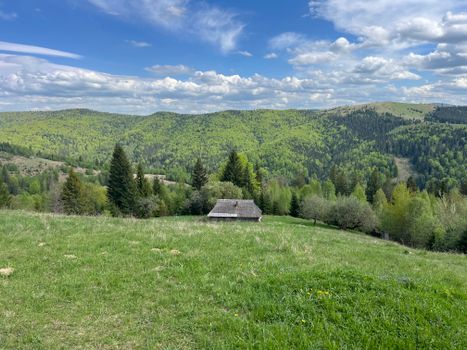
Travel Photography Tips: Capturing Your Adventures with Impact
Travel is a feast for the senses, and the urge to bottle up those moments forever is what drives millions to reach for their cameras. But snapping great travel photos is about more than framing a smiling face in front of a landmark. It’s about capturing the story, atmosphere, and emotion of your journey. Whether you’re exploring bustling markets in Marrakech, hiking the Andes, or sipping coffee in a Parisian café, stunning travel photography can elevate your memories—and your storytelling.
In this article, we’ll move beyond the basics and dive into practical, creative, and technical strategies to help you capture your adventures in a way that truly resonates. You’ll find expert tips for gear selection, storytelling, composition, and even ways to make the most of unpredictable conditions. Plus, we’ll compare camera options for travelers and answer common questions so you can focus on the magic of discovery, not just the mechanics of photography.
Choosing the Right Gear for Travel Photography
One of the first decisions every travel photographer faces is what camera gear to bring. The right choice depends on your style, destination, and willingness to carry equipment. Here’s what you should consider:
- Weight and Portability: According to a 2023 survey by Statista, 64% of travelers cited “weight and portability” as the most important factor in choosing travel gear. - Versatility: Lenses that cover wide-angle to moderate zoom are ideal for unpredictable travel scenarios. - Durability: Weather-sealed cameras and shockproof cases protect your gear from the elements.To help you make an informed choice, here’s a comparison table of common camera types for travelers:
| Camera Type | Pros | Cons | Ideal For |
|---|---|---|---|
| Smartphone | Ultra-portable, always with you, quick sharing, good in daylight | Limited manual controls, small sensor size, less effective in low light | Casual photographers, light packers |
| Compact Camera | Small, lightweight, optical zoom, better sensor than smartphones | Limited lens options, less manual control than DSLRs/mirrorless | Travelers wanting better quality than a phone without bulk |
| Mirrorless | Interchangeable lenses, high image quality, lighter than DSLRs | More expensive, battery life shorter than DSLR | Enthusiasts, those seeking versatility and quality |
| DSLR | Excellent image quality, robust, many lens options, long battery life | Bulky, heavy, can draw unwanted attention | Professional-level travel photography |
Pro Tip: If you’re traveling light, modern smartphones like the iPhone 15 Pro or Samsung Galaxy S23 Ultra offer advanced computational photography features, including Night Mode and ProRAW, that rival entry-level cameras.
Storytelling Through Your Lens
Compelling travel photography is about storytelling. Instead of only collecting postcard landscapes or selfies, focus on documenting the atmosphere and people that define your journey. Here’s how to weave a narrative with your photos:
- Capture Context: Include elements that reveal location—such as signs in local scripts, regional clothing, or unique architecture. - Photograph People: With permission, capture local life—street vendors, musicians, artisans. According to the World Press Photo Foundation, human-centered images are 54% more likely to evoke emotional engagement online. - Sequence Your Shots: Think in storyboards. Capture wide shots for context, medium shots for action, and close-ups for details. - Seek Authentic Moments: Sometimes the best photos happen in between posed shots—a spontaneous laugh, a quiet sunrise, or a fleeting exchange in a busy square.Example: Instead of just photographing Machu Picchu’s ruins, include the early morning mist, the llamas grazing, and the faces of fellow trekkers to convey the full experience.
Mastering Light and Composition
Great travel photos rely on more than exotic locations; they depend on your ability to “see” the light and compose a striking image. Here are advanced tips to elevate your composition:
- Use the Golden Hour: The hour after sunrise and before sunset offers soft, golden light that flatters landscapes and portraits alike. A 2022 research by National Geographic found that photos taken during golden hour receive 35% more engagement on social media. - Rule of Thirds and Leading Lines: Place key subjects off-center and use roads, rivers, or architectural lines to lead the viewer’s eye into the scene. - Frame Within a Frame: Use doorways, windows, or arches to create natural frames for your subject, adding depth and context. - Embrace Negative Space: Don’t be afraid of empty sky, water, or walls. Negative space can highlight your subject and create a sense of scale or isolation.Practical Tip: Enable grid lines on your camera or smartphone to help align your shots and maintain level horizons.
Working with Unpredictable Conditions
Travel rarely goes as planned—and that’s where the magic can happen. Learning to adapt to less-than-ideal conditions is part of the adventure.
- Low Light and Nighttime: Use a higher ISO (up to 3200 or 6400 on modern cameras) and a tripod or stable surface. Many smartphones now offer dedicated Night Modes with multiple exposures blended automatically. - Weather Challenges: Rain, fog, and snow can add drama. Protect your gear with a rain cover or even a plastic bag, and use weatherproof cameras where possible. - Crowds and Distractions: Visit popular spots early or late in the day to avoid crowds, or embrace the bustle by using slow shutter speeds to blur movement for artistic effect. - Motion and Action: Capture the energy of local festivals, markets, or wildlife by experimenting with shutter speeds—freeze action at 1/1000 sec, or show movement at 1/30 sec.Example: During the Holi festival in India, vibrant colors, flying powder, and expressive faces tell a story that static landscapes never could. Using a fast shutter speed and burst mode helps capture the energy and unpredictability.
Organizing and Editing Your Photos on the Go
A successful travel photography workflow doesn’t end when you press the shutter. Here’s how to keep your photos organized and make them shine while you’re still on the road:
- Back Up Regularly: Use dual memory cards, portable SSDs, or cloud services like Google Photos or iCloud. According to a 2023 survey by Backblaze, 29% of travelers reported losing photos due to device failure or loss. - Tag and Sort: Organize photos by date, location, or event to make editing and sharing easier later. - Edit on Mobile: Apps like Adobe Lightroom Mobile, Snapseed, or VSCO allow for powerful on-the-go editing. Adjust exposure, contrast, and color to bring your images to life without over-processing. - Curate Selectively: Avoid overwhelming friends or followers with hundreds of images. Instead, select a handful that tell the best story of your experience.Pro Tip: If Wi-Fi is scarce, invest in a portable wireless backup device or use the direct cable transfer feature between your camera and smartphone.
Sharing Your Travel Photography for Maximum Impact
Once you’ve captured and edited your travel images, sharing them thoughtfully can inspire others and preserve your memories for years to come. Here’s how to maximize your photography’s reach and resonance:
- Create Photo Essays or Stories: Use platforms like Instagram Stories, Facebook Albums, or personal blogs to craft narratives rather than dumping single images. - Print Your Work: Studies show that printing photos increases emotional attachment and memory recall. Photo books, postcards, or wall art make unique souvenirs or gifts. - Use Hashtags and Geotags: On platforms like Instagram, relevant hashtags and geotags can increase the visibility of your work. In 2023, travel images with location tags saw 24% higher engagement. - Engage with the Community: Comment on and share work by other travelers. Participating in online challenges or local photo walks can expand your skills and network.Example: A photo series documenting the street art of Bogotá, Colombia, can become a mini-exhibition or a popular online post, sparking conversations about local culture.
Final Thoughts on Travel Photography Adventures
Travel photography is a lifelong journey of observation, experimentation, and growth. By thoughtfully choosing your gear, focusing on storytelling, mastering composition, adapting to unpredictable conditions, and organizing your workflow, you can return from every adventure with more than just snapshots—you’ll have a collection of images that truly capture the spirit of your travels.
Remember, the best camera is the one that helps you tell your story. With patience, curiosity, and a willingness to see the world from new perspectives, anyone can become a compelling travel photographer. So pack your bags, charge your batteries, and go capture your next adventure with creativity and confidence.