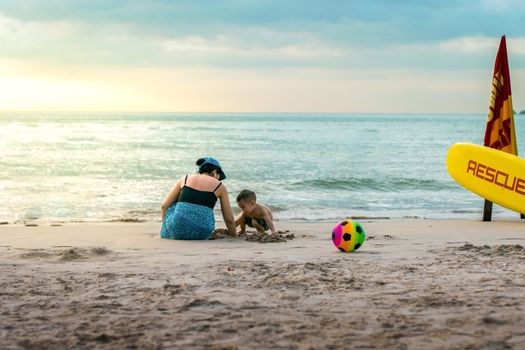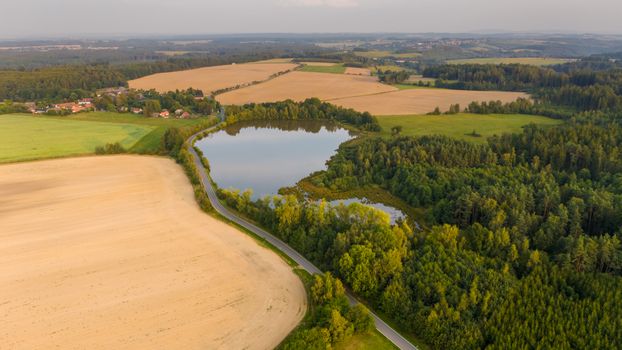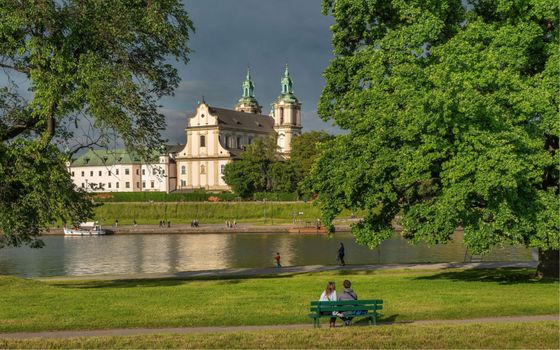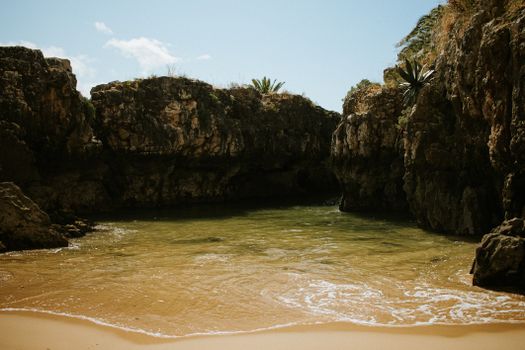
Traveling with a camera in hand is an adventure in itself. For photography enthusiasts, every journey is an opportunity to capture unique landscapes, vibrant cultures, and fleeting moments that tell a story. But with so many destinations and hidden gems worldwide, how do you find the absolute best places for photography while traveling? Whether you’re an amateur with a smartphone or a seasoned pro carrying a DSLR, knowing where and how to look for photogenic locations can transform your travel album from ordinary to outstanding. In this comprehensive guide, we’ll explore actionable tips, expert resources, and strategic approaches for uncovering the best photography spots, ensuring your next trip is not just memorable—but visually stunning.
Researching Photogenic Locations Before Your Trip
Preparation is key to finding great photography spots. While spontaneity has its charm, a little homework can lead you to breathtaking views and local secrets you might otherwise miss.
Start by searching travel photography blogs and dedicated photo-sharing platforms such as Instagram, Flickr, and 500px. Use hashtags and location tags to browse through images taken by others in your intended destination. For example, searching #IcelandPhotography will reveal popular spots like Kirkjufell or Seljalandsfoss Waterfall, along with lesser-known gems.
Travel guides—both print and digital—can also help. Lonely Planet, National Geographic, and local tourism board websites often highlight visually compelling landmarks and festivals. Additionally, Google Earth and Google Maps allow you to perform virtual “walkthroughs” using Street View, giving you a preview of potential spots and angles.
For photographers seeking unique perspectives, consider forums such as Reddit’s r/travel or r/photography, where users share personal experiences, location tips, and even GPS coordinates. In a 2023 survey by Statista, 62% of travelers said they rely on user-generated content to plan their trips, proving the value of community recommendations.
Leveraging Photography Apps and Tools on the Go
Modern technology has revolutionized photography scouting. There are numerous apps designed specifically to help travelers find the best photo locations, track light conditions, and optimize shooting times.
Some of the top-rated tools include: - PhotoPills: This comprehensive app helps you plan shots by showing the position of the sun, moon, and Milky Way at any time and place. Ideal for sunrise, sunset, and astro-photography. - ShotHotspot: Enter your destination, and this app provides a map of popular photography spots based on geo-tagged photos from around the web. - The Photographer’s Ephemeris (TPE): A powerful tool for outdoor photographers, TPE helps you visualize the direction and angle of natural light, ideal for landscape and cityscape photography.Here’s a quick comparison of popular photography location apps:
| App Name | Main Features | Platforms | Cost |
|---|---|---|---|
| PhotoPills | Sun/Moon tracking, Milky Way info, planning tools | iOS, Android | Paid (approx. $10) |
| ShotHotspot | Photo location search, user ratings, map interface | Web, iOS | Free |
| The Photographer’s Ephemeris | Light direction, sun/moon details, 3D topography | Web, iOS, Android | Free (web), Paid (mobile, approx. $9) |
By integrating these tools into your travel routine, you can maximize your chances of being at the right place at the right time for jaw-dropping shots.
Connecting with Local Photographers and Communities
One of the most rewarding ways to discover hidden photo opportunities is by tapping into local knowledge. Local photographers know their regions intimately and can guide you to off-the-beaten-path locations, unique events, and secret vantage points.
Consider joining local photography tours or workshops, which often include access to private or hard-to-find spots. For example, in cities like Tokyo, Prague, or Cape Town, professional guides offer small group photo walks that focus on both iconic landmarks and overlooked treasures.
Social media groups, such as Facebook’s “Travel Photography” communities, or Meetup.com, are excellent resources for finding local photo meetups and events. According to a 2022 report by Meetup, over 1.2 million people worldwide participated in photography-related events, highlighting the popularity and usefulness of these gatherings.
Additionally, don’t hesitate to strike up conversations in local camera shops or galleries. Many shop owners and artists are happy to share tips or even offer personalized recommendations based on your interests.
Timing is Everything: Light, Weather, and Crowd Considerations
The quality of your travel photos depends as much on timing as on location. Golden hour—the first hour after sunrise and the last before sunset—bathes landscapes and cityscapes in soft, warm light, reducing harsh shadows and adding depth to your images. Blue hour, occurring just before sunrise and after sunset, offers moody, atmospheric tones ideal for night scenes and city lights.
Weather also plays a significant role. Dramatic clouds, mist, or recent rain can add texture and mood to photographs. In fact, a 2021 survey by Digital Photography School found that 68% of professional photographers plan their shoots around weather forecasts to capture the most compelling images.
Crowd levels matter too, especially at popular tourist sites. Early mornings or late evenings typically offer quieter moments, allowing for cleaner compositions without unwanted bystanders. Some locations—such as Angkor Wat in Cambodia or Machu Picchu in Peru—are best visited at opening hours to avoid the busiest times.
Here are a few tips to optimize timing: - Use weather apps (like AccuWeather or Weather Underground) to monitor conditions. - Check sunrise and sunset times for your destination. - Research local holidays and festivals, but be aware these can also mean larger crowds.Thinking Beyond the Obvious: Seeking Unique Angles and Perspectives
While iconic landmarks make for great photos, the most memorable images often come from exploring different perspectives. Challenge yourself to look beyond the postcard view.
Experiment with vantage points—climb a hill, find a rooftop bar, or photograph through windows, arches, or foliage for natural framing. Sometimes stepping just a few meters away from the crowd reveals a new composition.
Pay attention to daily life and candid moments. Street markets, local artisans at work, or children playing can tell powerful stories about a place. In Cuba, for example, some of the most celebrated travel photographs capture classic cars and vibrant street life, not just Havana’s historic facades.
Finally, don’t forget details—textures, colors, and patterns can be as captivating as grand vistas. Macro shots of local flora, traditional textiles, or intricate architectural elements add richness to your travel portfolio.
Balancing Planning and Spontaneity in Travel Photography
While planning greatly increases your chances of finding outstanding photography locations, some of the best photo opportunities arise when you least expect them. Cultivate a mindset of curiosity and openness. Allow time in your itinerary for wandering, following interesting light, or venturing down an unplanned alley.
For example, a 2023 poll by Travel + Leisure readers found that 54% of their favorite travel photos were taken during unscheduled detours rather than planned stops. Carry your camera or smartphone at all times, and keep spare batteries or memory cards handy so you’re always ready to capture the unexpected.
Consider keeping a travel journal or location log—note down places you stumble upon that might warrant a return visit at a different time of day or in better light.
Making the Most of Your Photography Journey: Final Thoughts
Travel photography is more than just collecting images; it’s about experiencing the world with fresh eyes and sharing your perspective with others. By combining thorough research, modern technology, local insight, strategic timing, and a willingness to explore beyond the obvious, you’ll discover photographic opportunities wherever your journey takes you.
Remember, the best places for photography aren’t always the most famous—they’re the ones that inspire you, challenge your creativity, and tell a story unique to your travels. Pack your camera, stay curious, and embrace both the planned and the serendipitous moments.