Travel for History Lovers: The Best Historical Sites in the Czech Republic and Surrounding Areas
For travelers passionate about history, the Czech Republic and its neighboring countries offer an unparalleled journey through centuries of European culture, politics, and artistry. The region, at the crossroads of Central Europe, has witnessed empires rise and fall, kings and revolutionaries tread its cobblestoned streets, and some of humanity’s most remarkable creations and tragedies. From Gothic cathedrals and medieval castles to battlefields and UNESCO-listed towns, history buffs can immerse themselves in stories that shaped not only the Czech lands but also world history. This guide explores the most captivating historical sites in the Czech Republic and nearby areas, helping you plan a journey that brings the past vividly to life.
Prague: A Living Museum of Central European History
No exploration of Czech history is complete without starting in Prague, the capital city often dubbed “the City of a Hundred Spires.” With its remarkably preserved old town and diverse architectural styles, Prague offers a timeline of European history in a single stroll.
Among the most iconic sites is Prague Castle, the largest ancient castle complex in the world, covering nearly 70,000 square meters. Founded in the 9th century, it has served as the seat of Czech kings, Holy Roman Emperors, and modern presidents. Inside, visitors can marvel at St. Vitus Cathedral, begun in 1344 and only completed in the 20th century, which houses the Czech crown jewels.
Crossing the Charles Bridge, built in 1357, connects travelers to the Lesser Town and offers stunning views of the Vltava River and Prague’s skyline. The city’s Jewish Quarter, Josefov, tells both the triumphs and tragedies of one of Europe’s oldest Jewish communities, with the Old-New Synagogue (Europe’s oldest active synagogue, dating to 1270) and the haunting Old Jewish Cemetery.
Prague’s historical significance is not just architectural. It was the birthplace of the Velvet Revolution in 1989, which peacefully ended Communist rule. The city features over 40 museums and more than 600 years of continuous university education, making it one of Europe’s intellectual capitals.
Castles and Chateaux: Relics of Royalty and Intrigue
The Czech Republic boasts the highest density of castles per capita in the world, with over 2,000 castles, chateaux, and ruins dotting its landscapes. These structures not only display architectural evolution but also encapsulate stories of dynasties, invaders, and visionaries.
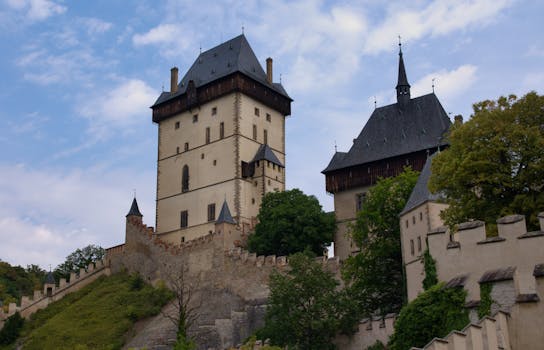
Karlštejn Castle, built by Emperor Charles IV in 1348, is perhaps the most famous after Prague Castle. Its purpose was to safeguard the crown jewels and imperial relics, and today, it dazzles with its Gothic fortifications and frescoed chapels. About 30 kilometers from Prague, it’s easily accessible and makes for a dramatic day trip.
Another significant site is Český Krumlov Castle, a UNESCO World Heritage Site and the second-largest castle complex in the country. Dating from the 13th century, it dominates the picturesque town of Český Krumlov and features a preserved Baroque theater with original stage machinery from the 18th century.
For those fascinated by Renaissance elegance, Litomyšl Chateau, completed in 1580, is an exquisite example with its sgraffito decorations and ornate arcades. The surrounding gardens and the town itself, the birthplace of composer Bedřich Smetana, add to its historical charm.
UNESCO World Heritage Towns: Timeless Urban Landscapes
The Czech Republic is home to 14 UNESCO World Heritage Sites, and several of these are entire historic towns where the past is woven into the urban fabric. These towns offer immersive experiences for visitors seeking authenticity and depth.
Telč, often called the “Moravian Venice,” is celebrated for its Renaissance square and pastel-colored burgher houses, all ringed by reflective fish ponds. The town’s castle, rebuilt in Renaissance style in the 16th century, is a centerpiece for guided tours.
Kutná Hora, once a silver mining powerhouse, was so wealthy in the Middle Ages that it rivaled Prague itself. Its St. Barbara’s Cathedral is a Gothic masterpiece, and the nearby Sedlec Ossuary, decorated with the bones of over 40,000 people, is an unforgettable (if macabre) testament to the town’s layered history.
Olomouc, a lesser-known gem, boasts the country’s second-largest historic preservation zone after Prague. Its Holy Trinity Column, a baroque sculpture reaching 35 meters, is the tallest of its kind in the world and a UNESCO-listed monument. The city’s history as a Moravian ecclesiastical center and university town makes it a must-see for history enthusiasts.
Sites of Conflict and Remembrance: War and Resistance
Not all historical sites are palaces and cathedrals. Central Europe’s turbulent 20th century has left indelible marks, and several sites provide powerful opportunities for reflection and learning.
Terezín (Theresienstadt), about 60 kilometers north of Prague, is a former military fortress that became a Nazi concentration camp and Jewish ghetto during World War II. Today, the Terezín Memorial preserves the Small Fortress and Ghetto Museum, bearing witness to the suffering and resilience of its prisoners. Over 150,000 Jews passed through Terezín; more than 30,000 perished there.
Lidice, northwest of Prague, stands as a poignant symbol of Nazi reprisal. In 1942, following the assassination of Reinhard Heydrich, the village was razed, and its population murdered or deported. The Lidice Memorial and museum ensure that the tragedy and the human spirit’s endurance are never forgotten.
Beyond the Czech Republic, history lovers can visit Auschwitz-Birkenau in Poland (about 450 km from Prague), the most infamous Nazi death camp, or the Slovak National Uprising Museum in Banská Bystrica, Slovakia, reflecting the region’s shared struggles against oppression.
Beyond Borders: Historical Treasures in Neighboring Countries
The Czech Republic’s central location makes it an ideal base for exploring monumental sites in nearby countries. Each neighbor adds a unique chapter to Central European history.
In Austria, Vienna’s Hofburg Palace complex is a symbol of Habsburg imperial might. The city’s Schönbrunn Palace, with over 1,400 rooms, showcases baroque grandeur and centuries of dynastic intrigue. The city was the setting for the 1815 Congress of Vienna, redrawing Europe after Napoleon’s downfall.
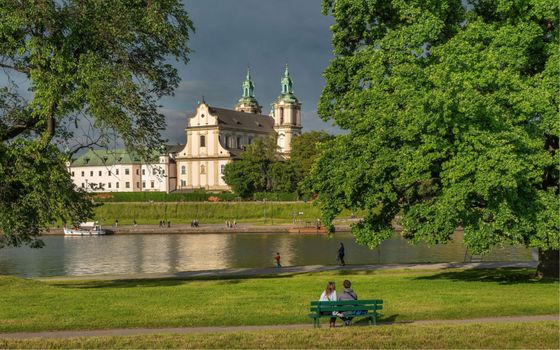
Poland’s Kraków, about a five-hour train ride from Prague, features the Wawel Royal Castle and a historic old town that survived the ravages of World War II. Kraków’s Jewish Quarter and the Schindler Factory Museum offer deep insights into Poland’s multifaceted history.
Germany’s Dresden, once called the “Florence on the Elbe,” is renowned for its reconstructed Frauenkirche and the baroque Zwinger Palace. The city’s destruction in 1945 and subsequent restoration embody both tragedy and resilience.
Slovakia’s Bratislava Castle dominates the Danube and offers sweeping views and exhibitions tracing the area’s Celtic, Roman, and Hungarian past.
For a quick comparison of key historical sites in the region, see the table below:
| Site | Country | Era/Significance | UNESCO Status | Annual Visitors (approx.) |
|---|---|---|---|---|
| Prague Castle | Czech Republic | 9th century-present, seat of power | No | 1.8 million |
| Český Krumlov Castle | Czech Republic | 13th century, Renaissance-Baroque | Yes | 400,000 |
| Wawel Royal Castle | Poland | 14th-17th centuries, Polish monarchy | Yes | 1.2 million |
| Schönbrunn Palace | Austria | 17th-18th centuries, Habsburgs | Yes | 3.8 million |
| Terezín Memorial | Czech Republic | WWII, Holocaust remembrance | No | 300,000 |
| Frauenkirche Dresden | Germany | 18th century, WWII destruction/restoration | No | 2 million |
Immersive Experiences: Living History and Reenactments
For those who want to go beyond static monuments, the Czech Republic and its neighbors offer immersive historical experiences that bring the past to life. Medieval festivals, castle night tours, and living history museums make history tangible and interactive.
The annual Five-Petalled Rose Festival in Český Krumlov transforms the town into a Renaissance pageant, with costumed parades, jousting, and period music. In Prague, nighttime tours of the Old Town and castle mix legends with historical fact, often led by guides in medieval garb.
In Brno, the Špilberk Castle hosts military history reenactments, and the city’s underground labyrinths—some dating to the Middle Ages—can be explored with lanterns. Meanwhile, the Open-Air Museum in Rožnov pod Radhoštěm in Moravia showcases traditional rural life, with working craftspeople and reconstructed historical dwellings.
Across the border, Vienna’s Time Travel Museum offers a multimedia journey through Austrian history, while Kraków’s Rynek Underground Museum lets visitors walk beneath the city’s main square amid medieval foundations and digital reconstructions.
Why the Czech Republic and Central Europe Are a History Lover’s Paradise
The Czech Republic and its neighboring countries are a treasure trove for anyone who loves history. Nowhere else can you find so many well-preserved castles, UNESCO towns, and powerful sites of memory within such short distances. The region’s museums, festivals, and walking tours add layers of understanding to what you see, while its culinary and cultural traditions provide the perfect complement to a historic itinerary.
With more than 2,000 castles, 14 UNESCO World Heritage Sites, and cities that have witnessed everything from royal coronations to revolutions, the Czech Republic is a living textbook for travelers. The ease of regional travel—by train, bus, or car—makes it possible to experience Prague in the morning, a medieval fortress by lunch, and a UNESCO town by evening.
Whether you are drawn to the grandeur of Habsburg palaces, the solemnity of war memorials, or the charm of Renaissance squares, Central Europe invites you to step into the past and let its stories shape your journey.