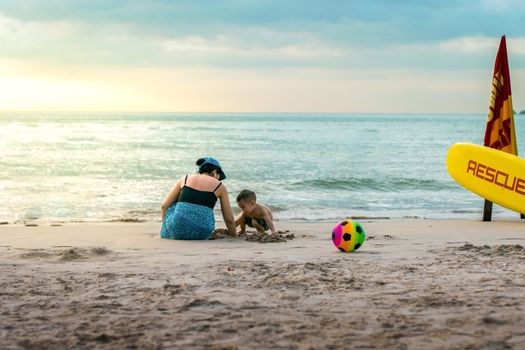
Traveling with children is an adventure in itself—full of boundless energy, spontaneous wonder, and yes, the occasional challenge. While logistics like packing, transportation, and accommodation are essential, the heart of a memorable family vacation lies in the activities you share. Whether you’re exploring a new city, relaxing beachside, or venturing into the countryside, keeping kids entertained and engaged can transform a good trip into an unforgettable one. In this article, we’ll explore creative strategies and specific ideas for fun activities with children during travel, ensuring your next family getaway is packed with laughter, learning, and connection.
Why Planning Activities Matters for Family Travel
Children thrive on routine and stimulation, and travel disrupts the familiar. According to a 2023 Family Travel Association survey, 78% of parents reported that planning age-appropriate activities was the most important factor for a successful family trip. Kids who are bored or restless can quickly become cranky, which affects the mood of the entire group.
But with a little planning, you can weave in fun, educational, and bonding experiences that not only keep children engaged but also support their development. Research from the American Academy of Pediatrics highlights that shared family activities during travel enhance children’s cognitive skills, foster adaptability, and strengthen family bonds. In fact, families who prioritize interactive experiences over passive sightseeing report higher overall satisfaction with their trips.
Activity Kits and On-the-Go Entertainment
One of the simplest yet most effective strategies for keeping kids happy while traveling is to prepare a personalized activity kit. These kits can be tailored to your destination, your mode of travel, and your child’s interests and age. Here are some tried-and-true ideas:
- $1 Encourage your children to document their journey with sketches, stickers, and written entries. This not only keeps them occupied but also helps create lasting memories. - $1 Magnetic chess, UNO, or travel-sized puzzles are perfect for trains or rainy days in the hotel. - $1 Include colored pencils, reusable sticker books, or origami paper for quiet creative time. - $1 Download audiobooks or podcasts suitable for kids. According to Audible, children’s audiobook downloads increased by 42% in 2022, showing their growing popularity for family travel. - $1 Prepare a simple list of things to spot during the journey—red cars, certain animals, or local landmarks. This turns even transit time into an engaging game.By presenting these kits as “special travel surprises,” you can create excitement and provide a reliable fallback for downtime or delays.
Local Experiences: Making the Most of Your Destination
While classic sightseeing is important, children often respond best to hands-on, participatory experiences. Look for opportunities that immerse your family in the local culture and environment:
- $1 Many destinations offer family-friendly cooking workshops. For example, in Italy, over 300 agriturismos provide pizza-making classes for kids as young as four. - $1 Exploring a local market or visiting a working farm brings the local culture to life. Children can learn about new foods, animals, and customs firsthand. - $1 Many national parks and reserves run junior ranger programs, interactive trails, or wildlife tracking activities. In the Czech Republic, over 30 reserves offer guided programs specifically for children. - $1 Pottery painting, mask making, or mosaic workshops are great for rainy days and result in a handmade souvenir. - $1 Check local calendars for parades, fairs, or music events. Many communities host family-friendly events with games, performances, and hands-on activities.These experiences not only entertain but also help children gain confidence in new settings and cultures.
Balancing Adventure and Rest: Building a Flexible Itinerary
One of the biggest mistakes families make is over-scheduling. Children need unstructured playtime and rest just as much as they need stimulation. According to a 2022 survey by Family Vacation Critic, 61% of parents found that leaving room for spontaneous activities led to happier, more relaxed children.
Here’s how to strike the right balance:
- $1 Alternate busy outings (like museums or city tours) with downtime (such as playground visits or hotel pool time). - $1 Try to keep regular meal and nap times, even when adapting to new time zones. - $1 Let your child pick an activity or destination for part of the day. This empowers them and boosts their enthusiasm. - $1 Plan for at least one “rest day” in every week of travel, where the agenda is simply to relax and enjoy your surroundings.The table below compares sample family vacation schedules to illustrate the impact of balance:
| Schedule Type | Activities per Day | Child Engagement | Reported Family Satisfaction |
|---|---|---|---|
| Packed Itinerary | 5-6 | Low after Day 2 | 47% |
| Balanced Itinerary | 2-3 | High throughout | 84% |
| Unstructured Itinerary | 1 or less | Varies | 62% |
These figures are based on a 2022 survey of 1,000 traveling families and highlight the benefits of moderation.
Learning Through Play: Educational Activities for All Ages
Vacations offer a unique opportunity for informal learning. Instead of traditional “schoolwork,” focus on activities that spark curiosity and discovery. Here are some educational yet entertaining options:
- $1 This real-world treasure hunt uses GPS and is available in over 190 countries. There are currently more than 3 million geocaches worldwide. - $1 Bring a simple field guide or download an app to identify local plants, birds, or insects. In 2023, the iNaturalist app reported over 10 million observations from families. - $1 Many castles, forts, and historical sites offer dress-up days or interactive tours designed for children. - $1 Practice simple phrases in the local language together. Turn it into a daily challenge to greet someone or order food. - $1 Try simple experiments, like testing what floats in the hotel bathtub, or observing the phases of the moon.These activities help children retain knowledge and foster a sense of discovery far beyond the classroom.
Connecting as a Family: Building Bonds Through Shared Experiences
Beyond entertainment, the most valuable part of family travel is the shared memories and bonds you create. Consider these ways to strengthen your connection:
- $1 Set a group goal, such as hiking to a viewpoint, trying a new food, or learning a folk dance together. - $1 End each day by sharing favorite moments, funny mishaps, or something new everyone learned. - $1 Give each child a disposable camera or a turn with a family phone to capture their perspective. Create a vacation slideshow or scrapbook together afterward. - $1 Encourage your children to perform small acts of kindness, like helping a local clean up a park or sharing treats with new friends. - $1 Start a travel tradition, such as collecting a specific souvenir or sending a postcard home from every destination.According to a 2021 survey by the Family Travel Association, 85% of parents felt their children became more resilient and adaptable after participating in shared travel challenges.
Final Thoughts on Traveling with Children: Making Every Moment Count
Traveling with children is both rewarding and transformative. By planning thoughtfully and focusing on engaging activities, you create more than just a change of scenery—you foster curiosity, resilience, and joy in your children. Remember that the best moments often arise from the unexpected: a spontaneous game, a local festival, or a quiet evening recounting the day’s adventures. With the right mix of preparation and flexibility, your family can discover the world together, one unforgettable experience at a time.