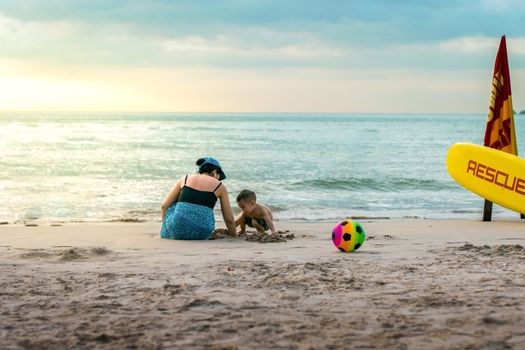
Traveling with Children: Tips and Tricks for Stress-Free Family Adventures
Family travel can be a rewarding and unforgettable experience, but anyone who has ever traveled with children knows it presents a unique set of challenges. From keeping kids entertained during long journeys to ensuring everyone’s safety and comfort, planning a trip with little ones takes extra thought and preparation. According to the U.S. Travel Association, nearly 30% of domestic leisure travelers in the United States are families with children. With over 100 million family vacations taken each year, mastering the art of traveling with children is more important than ever.
In this comprehensive guide, we’ll go beyond the basics and dive into expert strategies and creative solutions for making family travel smoother, safer, and more enjoyable. Whether you’re embarking on an international adventure or a simple road trip, these tips and tricks are designed to help parents and caregivers create positive travel memories for the whole family.
Planning Ahead: The Key to Successful Family Travel
One of the biggest factors in stress-free travel with children is thorough preparation. Unlike solo travelers or adult-only groups, families have to consider a wider range of needs and contingencies.
Start by researching your destination thoroughly. Look for family-friendly accommodations, such as hotels with suites, on-site playgrounds, or kids’ clubs. According to a 2023 survey by Family Vacation Critic, 68% of parents consider kid-friendly amenities as the top deciding factor when choosing where to stay.
When booking flights or train tickets, opt for direct routes whenever possible. Layovers and transfers can be particularly challenging with small children. If a direct route isn’t available, allow plenty of buffer time between connections to avoid stressful rushing.
Another planning tip: involve your children in the process. Let them help choose activities or pack their travel bags (with supervision), which can build excitement and give them a sense of ownership over the trip.
Important planning considerations include:
- Checking the expiration dates on passports (many countries require at least six months’ validity) - Booking transportation and accommodation well in advance, especially during school holidays - Researching medical facilities and pharmacies near your destination - Preparing and packing travel documents, including consent letters for solo parents or guardiansPacking Smart: Essentials for Traveling with Kids
Packing for a family trip is more complex than simply tossing clothes into a suitcase. The right gear can make all the difference in your travel experience. Here’s a quick overview of essential packing categories for various age groups:
| Age Group | Must-Have Items | Travel Tip |
|---|---|---|
| Infants (0-2 years) | Diapers, wipes, formula, bottles, baby carrier, compact stroller, blanket | Pack extra clothes for spills or accidents |
| Toddlers (2-5 years) | Snacks, sippy cup, favorite toy, coloring books, lightweight car seat | Bring a small backpack for their personal items |
| School-age (6-12 years) | Books, headphones, travel games, tablet with parental controls | Let them pack a small bag with entertainment |
| Teens (13+ years) | Phone/charger, travel journal, earplugs, sports equipment (if needed) | Encourage them to plan a day’s activity |
No matter the age, always include a basic first-aid kit, medications, and copies of important documents. For international travel, double-check if you’ll need voltage adapters or special childproofing items for accommodations.
A 2022 study by AAA found that 52% of parents reported forgetting at least one essential item when packing for a family trip. To avoid this, use a checklist tailored to your family’s needs and double-check before departure.
Keeping Kids Engaged: Entertainment Strategies on the Go
Long journeys can be tough for children, especially when confined to airplanes, cars, or trains for hours. To prevent boredom and meltdowns, plan ahead with age-appropriate entertainment and activities.
Screen time can be a lifesaver, but it’s best to balance it with other options. Load up devices with movies, audiobooks, and educational games before leaving, as Wi-Fi may be unreliable on the road. For non-digital activities, consider magnetic travel games, card games, or classic road trip games like “I Spy” and “20 Questions.”
Snacks are another secret weapon. Small, pre-portioned snacks not only satisfy hunger but can also serve as rewards for good behavior. According to a 2021 Expedia report, 41% of parents said that bringing a variety of snacks was the most effective way to keep their children happy during travel.
Some additional engagement tips:
- Create a travel journal or scrapbook for your child to fill in along the way - Pack small surprises, like new coloring books or puzzles, to introduce during the journey - Schedule regular breaks to stretch, run, or play when traveling by carIf you’re flying, check with your airline about family boarding policies and whether there are kid-friendly amenities at the airport. Many major airports now feature play areas and nursing rooms, making layovers more manageable.
Staying Safe and Healthy While Traveling with Children
Safety and health are top priorities for parents on the go. Preparation and vigilance can prevent most problems, but it’s important to know what to do if issues arise.
Before you leave, schedule a check-up with your pediatrician and ask about recommended vaccines for your destination. The CDC reports that measles outbreaks are more common in certain countries, making up-to-date immunizations essential. Carry a list of emergency contacts, including your child’s doctor and your country’s embassy or consulate.
When it comes to safety gear, car seats are non-negotiable. According to the National Highway Traffic Safety Administration, proper car seat use reduces the risk of fatal injury by 71% for infants and 54% for toddlers. If traveling by air, check if you can use your car seat onboard, or confirm that rental car companies at your destination provide age-appropriate seats.
Other safety essentials include:
- Childproofing supplies (outlet covers, cabinet locks) for hotels or rentals - ID bracelets or cards with your contact information for children - Sun protection (hats, sunscreen, sunglasses) and insect repellentStaying healthy on the road means encouraging frequent handwashing, carrying hand sanitizer, and being mindful of food and water quality in unfamiliar places. Bring any prescription medications in their original containers, along with a doctor’s note for international travel.
Adapting to New Environments: Helping Kids Thrive Abroad
Traveling exposes children to new cultures, foods, and routines, which can be both exciting and overwhelming. Help your kids adapt by preparing them in advance. Talk about the destination, show pictures, and introduce basic words in the local language. According to a 2023 survey by Travel + Leisure, 67% of parents say their children are more adaptable on trips when they know what to expect.
Jet lag and changes in routine can disrupt sleep and moods. Try to maintain familiar bedtime rituals, bring a favorite blanket or stuffed animal, and adjust your schedule gradually if traveling across time zones. Plan “down time” during the day to avoid overstimulation.
Food is another big adjustment. If your child is a picky eater, research common dishes ahead of time and identify safe options. Carry familiar snacks and be patient with new flavors. Many international destinations are very accommodating to children’s dietary needs—just ask!
Finally, encourage your child to interact with new cultures by participating in local activities or attending kid-friendly tours. Not only does this enrich the travel experience, but it can also help ease homesickness or anxiety.
Turning Challenges into Opportunities: Building Family Bonds
Despite the best preparation, things won’t always go as planned. Delays, tantrums, and unexpected hiccups are all part of family travel. The key is to stay flexible and focus on the bigger picture.
Turn challenges into teachable moments. If you miss a train or face a weather delay, model problem-solving and calm decision-making for your children. Involve them in solutions, whether it’s choosing a new activity or helping to navigate a new city. According to a 2022 study by the Family Travel Association, families who traveled together reported higher levels of communication, resilience, and adaptability.
Celebrate the small victories—like successfully navigating an airport or trying a new food—as a family. These shared experiences create lasting memories and strengthen family bonds. Keep a sense of humor, and remember that sometimes, the most unexpected moments become the highlights of your journey.
Making the Most of Your Family Travel Experience
Traveling with children requires patience, flexibility, and creativity, but the rewards are well worth the effort. By planning ahead, packing smart, keeping kids engaged, prioritizing safety and health, and embracing new environments, you can turn any trip into a positive, enriching adventure for your family.
Family travel is about more than just seeing new places—it’s about growing together, building resilience, and creating memories that last a lifetime. With these expert tips and tricks, you’ll be ready to tackle your next family journey with confidence.