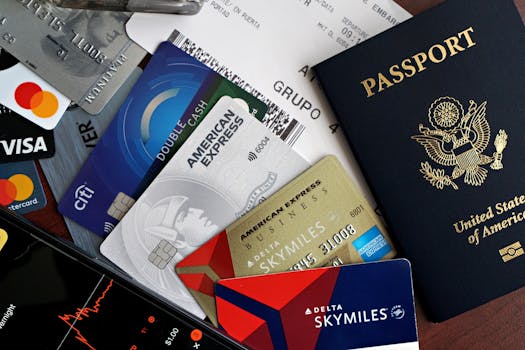
Travel insurance might not be the most glamorous part of planning your next trip, but it can be the difference between a manageable hiccup and a financial disaster. From missing luggage to unexpected illness, travel insurance is designed to provide peace of mind when the unpredictable happens far from home. Yet, with dozens of policies, options, and exclusions, understanding what you need—and what you don’t—can be daunting. This article will guide you through the essentials of navigating travel insurance, helping you make informed decisions before your next adventure.
The Basics: What Travel Insurance Actually Covers
Travel insurance isn’t just a single product—it’s a collection of protections bundled into a policy. At its core, most travel insurance policies include these standard coverages:
- Trip Cancellation/Interruption: Reimburses you if you must cancel or cut short your trip for a covered reason, such as illness, injury, or a family emergency. - Medical Expenses: Covers emergency medical and dental expenses incurred while traveling, often crucial in countries where your regular health insurance isn’t valid. - Emergency Evacuation: Pays for transportation to the nearest adequate medical facility or back home in the event of a serious illness or injury. - Lost, Stolen, or Delayed Baggage: Reimburses you for lost or delayed luggage and replaced essentials. - Travel Delay: Covers expenses such as meals and accommodations if your trip is delayed due to reasons like weather or airline strikes.According to a 2023 report by the U.S. Travel Insurance Association, approximately 40 million Americans were covered by travel insurance in 2022, reflecting growing awareness of travel risks. However, not all policies are created equal, and coverage details can vary dramatically.
Types of Travel Insurance Policies Explained
When shopping for travel insurance, you’ll encounter several types tailored to different needs. Understanding these can help you avoid overpaying or underinsuring.
- Single-Trip Policies: Ideal for occasional travelers, these cover one specific trip, from departure to return. - Multi-Trip (Annual) Policies: Best for frequent travelers, these offer coverage for multiple trips within a year, usually with trip duration limits (such as 30 or 60 days per trip). - Long-Term or Backpacker Insurance: Designed for extended travel, such as gap years or round-the-world trips, with flexible coverage periods. - Group Policies: Suitable for families or groups traveling together, often providing discounts. - Specialty Coverage: Includes adventure sports, cruise insurance, or coverage for existing medical conditions.For instance, a single-trip policy for a two-week European vacation might cost $80-$150 per person, while an annual multi-trip policy can range from $200-$400, depending on coverage and age. Specialty policies may cost more but are crucial if your trip involves high-risk activities.
Key Exclusions and Limitations: What Travel Insurance Doesn’t Cover
One of the most common mistakes travelers make is assuming travel insurance covers “everything.” In reality, every policy has exclusions and limitations that can leave you exposed if you’re not careful.
Common exclusions include:
- Pre-existing Medical Conditions: Unless you purchase a waiver, most policies won’t cover issues related to pre-existing conditions. - High-Risk Activities: Standard policies often exclude injuries from adventure sports, such as skydiving or scuba diving, unless you buy additional coverage. - Civil Unrest or War: Many insurers exclude claims arising from travel to countries with active advisories. - Certain Weather Events: Not all natural disasters are covered, especially if you purchase insurance after a storm is already forecasted. - Alcohol or Drug-Related Incidents: Claims resulting from intoxication are typically denied.Always read the fine print. In a 2022 survey by Squaremouth, 36% of denied claims were due to exclusions outlined in the policy—a preventable disappointment for many travelers.
Comparing Travel Insurance Providers: What to Look For
With over 100 travel insurance providers operating in the U.S. alone, finding the right policy can feel overwhelming. Here’s what to scrutinize before making your choice:
- Coverage Limits: Medical coverage can range from $10,000 to $1 million. For international travel, experts recommend at least $100,000 in medical and $250,000 in evacuation coverage. - Deductibles: Some policies require you to pay a deductible before benefits kick in. - Claims Process: Look for companies with 24/7 emergency support and online claims submission. - Customer Reviews: Providers with high ratings for claim settlement and customer service are generally more reliable. - Price vs. Value: The cheapest policy isn’t always the best if it leaves you underinsured.The following table provides a comparison of key features from three popular travel insurance providers as of 2024:
| Provider | Medical Coverage | Evacuation Coverage | Trip Cancellation | Adventure Sports | Average Policy Cost (Single Trip, 2 Weeks, Age 35) |
|---|---|---|---|---|---|
| Allianz Global Assistance | $50,000 | $500,000 | Up to $5,000 | Optional Add-on | $120 |
| World Nomads | $100,000 | $500,000 | Up to $10,000 | Included | $140 |
| Travel Guard | $100,000 | $1,000,000 | Up to $5,000 | Optional Add-on | $130 |
Prices and coverage may vary based on your age, trip length, and destination.
When and How to Buy Travel Insurance for Maximum Protection
Timing your purchase can make a significant difference in the protection you receive. Most experts recommend buying travel insurance within 14-21 days of your initial trip deposit. This window often allows you to qualify for optional benefits, such as pre-existing condition waivers or “cancel for any reason” (CFAR) coverage.
Here’s a step-by-step approach to buying travel insurance:
1. Calculate Your Trip Cost: Know how much you need to insure, including flights, accommodations, tours, and non-refundable expenses. 2. Assess Risks: Consider your destination’s healthcare quality, travel advisories, and activities planned. 3. Compare Policies: Use aggregator sites or consult a travel agent for side-by-side comparisons. 4. Read the Policy Document: Don’t skip the fine print—know your exclusions, limits, and the claims process. 5. Purchase Early: For best coverage, buy soon after your first deposit.In 2023, a study by InsureMyTrip found that 30% of travelers who filed claims purchased coverage more than 30 days after booking, often missing out on key benefits.
Real-World Examples: How Travel Insurance Saved the Day
Nothing illustrates the importance of travel insurance like real-life scenarios. Here are three examples where coverage made a critical difference:
- Medical Emergency Abroad: In 2022, a traveler visiting Thailand suffered acute appendicitis and required emergency surgery. Their $125 policy from World Nomads covered $15,000 in hospital bills and a $9,000 medical evacuation, expenses that would have been financially crippling otherwise. - Trip Cancellation Due to Illness: A family had to cancel a $7,000 Alaskan cruise after a child became seriously ill. Their Allianz policy reimbursed the full amount, minus a small deductible, allowing them to rebook the trip the following year. - Lost Baggage Nightmare: A business traveler to Paris had all luggage lost in transit. Their Travel Guard policy reimbursed $1,200 for essentials and clothing, enabling them to continue with their meetings without disruption.Statistics show that 1 in 6 travelers experience travel disruptions, and nearly 20% of travelers have filed a claim at least once in the past five years.
Smart Strategies for Navigating Travel Insurance Choices
To get the most from your travel insurance, keep these tips in mind:
- Match Coverage to Your Needs: If you’re traveling domestically and have robust health insurance, a minimal plan may suffice. For international travel or adventure trips, opt for higher medical and evacuation limits. - Consider “Cancel for Any Reason” (CFAR): This add-on, available on some policies, allows cancellation for reasons not covered by standard policies, reimbursing up to 75% of prepaid costs. - Be Honest in Your Application: Disclose all pre-existing medical conditions and planned activities. Omissions can void your policy. - Use Credit Card Benefits: Some premium credit cards offer built-in travel insurance—review the limits carefully and supplement if necessary. - Keep Documentation: Save receipts, medical reports, and proof of delays or losses to streamline the claims process.The global travel insurance market was valued at $21.5 billion in 2022 and is projected to grow to $33.7 billion by 2028, according to Allied Market Research. This growth reflects increasing awareness of travel risks and the value of being prepared.
Key Takeaways on Navigating Travel Insurance
Travel insurance isn’t just an add-on—it’s a critical part of responsible travel planning. With a complex landscape of options, exclusions, and providers, taking the time to understand your needs and read policy details can save you money, stress, and heartbreak. Remember to compare coverage limits, read the fine print, and buy early for maximum protection. Whether you’re a once-a-year vacationer or a globe-trotting adventurer, the right travel insurance policy is your passport to peace of mind.