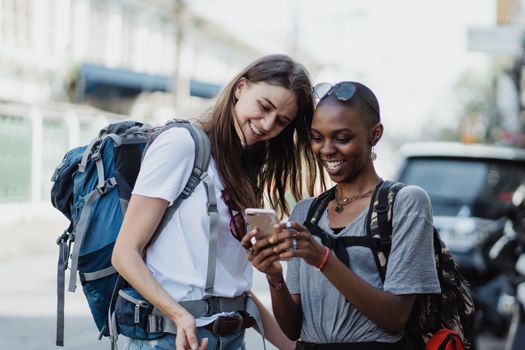
Travel opens our eyes to new cultures, landscapes, and unforgettable experiences. However, it also introduces risks that can threaten our well-being, property, and peace of mind. From sophisticated scams to health emergencies and unpredictable natural events, the world is full of unknowns for even the most seasoned globetrotter. That’s why travel safety isn’t just an afterthought—it’s a vital part of any journey, no matter your destination or experience level. This guide delivers essential travel safety tips for every traveler, grounded in real-world statistics, expert recommendations, and practical strategies you might not have considered.
Understanding the Modern Landscape of Travel Risks
Travel risks have evolved rapidly over the past decade. According to the Global Peace Index 2023, over 60 countries have seen an increase in civil unrest and crime, while the World Health Organization (WHO) notes that international travelers account for more than 10% of global disease outbreaks. In addition, the Allianz Global Assistance survey found that 42% of travelers have experienced some form of travel disruption, including theft, scams, or health emergencies.
These numbers underline the importance of proactive safety planning, regardless of whether you’re heading to a bustling city, remote wilderness, or a quiet village. The modern traveler must be alert to both old-school dangers (like pickpocketing) and emerging threats, such as digital identity theft.
Digital Security: Protecting Data on the Go
With so much of our lives stored on smartphones and laptops, digital security is now as crucial as guarding your passport. In 2022, the FBI’s Internet Crime Complaint Center received more than 800,000 reports of cybercrime, many of which targeted travelers using unsecured networks.
Here are actionable tips to keep your data safe:
- Use a Virtual Private Network (VPN): VPNs encrypt your internet connection, making it harder for hackers to intercept sensitive information. Choose reputable providers like NordVPN or ExpressVPN. - Avoid Public Wi-Fi for Sensitive Transactions: Never access banking apps or enter credit card details while connected to public or hotel Wi-Fi. Instead, use mobile data or a secure hotspot. - Activate Device Tracking: Enable “Find My Device” (iOS or Android) so you can locate, lock, or wipe your phone if it’s lost or stolen. - Update Passwords and Use Two-Factor Authentication: Before departure, change passwords for key accounts and enable two-factor authentication on email and banking apps. - Beware of ATM Skimmers: Only withdraw cash from ATMs inside banks, as external machines are more vulnerable to card skimming.Health Precautions Beyond the Basics
Travelers often focus on vaccinations and basic hygiene, but health risks can be more nuanced. The International Association for Medical Assistance to Travelers (IAMAT) reports that 20% of travelers get sick on trips, with foodborne illnesses and dehydration among the most common issues.
Take your health planning further with these tips:
- Pack a Custom Medical Kit: Include prescription medications, rehydration salts, antihistamines, and first-aid basics tailored to your destination. - Research Local Hospitals and Pharmacies: Know where the nearest reputable medical facilities are—especially if traveling in regions with limited infrastructure. - Stay Informed on Air Quality: Major cities like Delhi and Beijing often experience hazardous air pollution. Use real-time apps (e.g., AirVisual) and consider N95 masks if needed. - Food and Water: Beyond “don’t drink the tap water,” research local food practices. For example, in some countries, salads and ice cubes are common sources of contamination. - Emergency Contacts: Save local emergency numbers and embassy contacts in your phone and on a physical card.Smart Packing for Personal Safety
What you pack can make a significant difference in your travel safety. The U.S. Department of State estimates that 33% of lost or stolen passports are due to improper storage while traveling. Here’s how to pack smart with safety in mind:
- Use Anti-Theft Bags: Choose bags with lockable zippers, cut-resistant straps, and RFID-blocking pockets. - Photocopy Important Documents: Keep digital and paper copies of your passport, visa, insurance, and itinerary in separate locations. - Distribute Valuables: Don’t keep all your money, cards, or important documents in one place. Use concealed money belts or neck pouches. - Portable Door Locks: These small devices add an extra layer of security to hotel or hostel doors. - Flashlight and Power Bank: In case of blackouts or emergencies, having a charged flashlight and extra battery can be a lifesaver.Staying Safe in Transit: Planes, Trains, and Automobiles
Most travel safety advice focuses on the destination, but the journey itself can be risky. According to the International Air Transport Association (IATA), air turbulence injuries have increased by 20% in the past five years, while the European Union Agency for Railways reports a spike in petty theft on trains.
Compare common transit risks and tips in the table below:
| Mode of Transport | Common Risks | Essential Safety Tips |
|---|---|---|
| Airplane | Turbulence, theft of carry-on items, health emergencies | Always fasten seatbelt when seated, keep valuables under the seat, know location of emergency exits |
| Train | Pickpocketing, luggage theft, sudden stops | Keep luggage in sight, use locks, avoid sleeping in open compartments |
| Bus | Bag snatching, scams, overcrowding | Board with reputable companies, avoid night buses in high-risk areas, store bags in overhead racks |
| Taxi/Ride-share | Overcharging, unlicensed vehicles, route diversion | Use official apps, confirm driver’s details, share ride info with someone you trust |
Understanding risks at every leg of your journey ensures you’re never caught off guard.
Cultural Awareness and Local Laws: Staying Out of Trouble Abroad
Ignorance of local customs or laws can quickly turn a dream trip into a nightmare. The U.S. State Department handled over 9,000 arrests of American citizens abroad in 2022, many due to misunderstandings or minor infractions.
To stay on the right side of the law and enjoy a smoother trip:
- Research Local Laws: Some countries have strict rules about medication (e.g., codeine is banned in Japan), clothing (modesty laws in the Middle East), or behavior (public displays of affection frowned upon in parts of Asia). - Dress and Behave Appropriately: Blending in can help avoid unwanted attention. Observe and mimic local customs, especially in religious or conservative areas. - Learn Key Phrases: Knowing how to ask for help or say “I need a doctor” in the local language can be invaluable. - Respect Border Regulations: Never joke about security or attempt to bring restricted items (such as drones or certain foods) into a country.Adapting to Unpredictable Situations: Natural Disasters and Political Unrest
Natural disasters and sudden political events can disrupt even the best-planned trips. The International Disaster Database recorded over 400 significant natural disasters worldwide in 2023, impacting millions of travelers.
Practical steps to prepare:
- Register with Your Embassy: Many governments offer traveler registration services to provide updates and assistance during crises. - Monitor News and Alerts: Use apps like Smart Traveler or subscribe to local news feeds for real-time updates. - Have an Evacuation Plan: Identify multiple exits, escape routes, and rally points in hotels or public spaces. - Keep Emergency Cash: During crises, ATMs and banks may be inaccessible, so maintain a small stash of local currency.Final Thoughts on Staying Safe Wherever You Go
Travel should be about discovery, connection, and joy—not anxiety or regret. By understanding the modern landscape of travel risks and proactively preparing for digital, health, and physical threats, you can dramatically reduce your vulnerability. Remember, safety isn’t about paranoia—it’s about empowerment. Equip yourself with the right knowledge and tools, and the world will open up in ways you never imagined.