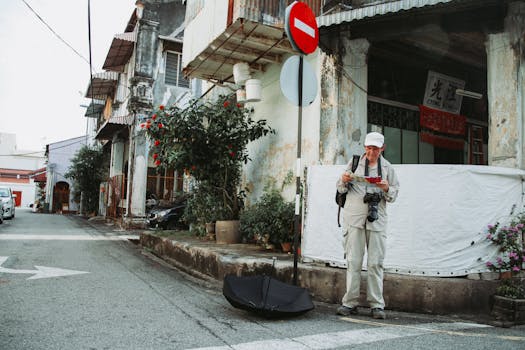
Mastering Public Transit Etiquette: Cultural Dos and Don'ts Around the World
Traveling abroad offers a chance to immerse yourself in new cultures, taste unique foods, and see world-famous landmarks. Yet, one aspect many travelers overlook is the cultural etiquette of public transportation. While the mechanics of navigating trains, buses, and metros are important, understanding the unwritten rules and social expectations can transform your journey from stressful to seamless. This article explores how transit etiquette varies across the globe, uncovers surprising cultural differences, and arms you with practical knowledge to avoid common faux pas. Whether you’re in bustling Tokyo or laid-back Lisbon, mastering these nuances will help you travel like a respectful local.
The Importance of Public Transportation Etiquette
Public transit is more than just a way to get from A to B—it's a shared community space. Every day, an estimated 168 million people use public transportation in the European Union alone, while cities like Tokyo see more than 8 million daily rail passengers. With so many people sharing limited space, social harmony depends on everyone following certain norms.
Ignoring local customs can make you stand out—and not in a good way. Something as simple as speaking loudly on a phone or blocking a doorway can be seen as rude or disruptive in some cultures. On the other hand, blending in by respecting local etiquette not only fosters smoother travel but can also open doors to positive interactions with locals.
Quiet Zones, Phones, and Personal Space: Key Differences by Country
One of the most noticeable differences in public transit etiquette is the acceptable noise level. In Japan, silence is golden on trains and subways; phone calls are strictly discouraged, and even conversations are often kept to a whisper. In contrast, public transportation in Italy or Brazil tends to be more lively, with animated conversations considered perfectly normal.
Personal space expectations also vary. In cities like London or Berlin, standing too close to others—even on a crowded Tube—may be met with discomfort. In contrast, during rush hour in Mumbai or Beijing, personal space shrinks dramatically, and you may find yourself packed shoulder-to-shoulder with strangers.
Here’s a quick look at etiquette contrasts among top transit cities:
| City | Phone Use Allowed? | Typical Noise Level | Personal Space |
|---|---|---|---|
| Tokyo | No (silent mode only) | Very quiet | Strict, except during rush hour |
| New York | Allowed | Moderate | Flexible, but avoid blocking doors |
| Paris | Allowed, but discouraged in quiet cars | Moderate | Observe seat spacing |
| Beijing | Allowed | Lively | Minimal during peak hours |
Practical Tips for Respectful Transit Use Abroad
Learning etiquette can be as vital as learning routes. Here are actionable steps to ensure you’re a courteous passenger wherever you go:
1. $1: When in doubt, follow the locals. If everyone is quiet, keep your voice down. If they queue in an orderly fashion, join the line. 2. $1: In London, it’s common to let passengers off before boarding and to stand clear of train doors. In Hong Kong, arrows on platforms guide boarding and alighting. 3. $1: Many countries reserve seats for elderly, pregnant women, or people with disabilities. In Seoul, priority seats are often left empty even if the train is full. 4. $1: Eating is a no-go on public transit in cities like Singapore (where fines can reach $500 SGD), but perfectly acceptable in parts of the US or Europe. 5. $1: Use headphones and keep music or video volumes low. In some countries, even these may be discouraged during peak hours.Unwritten Rules: What Locals Wish Tourists Knew
Every city has its own quirks. In Moscow, standing on the right side of the escalator and walking on the left is a must. In Santiago, Chile, giving up your seat to elderly passengers is expected and appreciated. In Australia’s major cities, making eye contact and smiling at fellow passengers is more common than in northern Europe or Asia, where such gestures may be seen as intrusive.
According to a 2023 survey by Transport Focus in the UK, 62% of regular commuters cited “blocking the aisle or doors” as the most annoying passenger behavior, followed by “loud conversations” and “not giving up priority seats.” Similarly, a survey in Tokyo found that over 70% of passengers are bothered by phone conversations and loud noises.
Penalties and Pitfalls: The Cost of Breaking the Rules
Disregarding public transportation etiquette can carry real consequences—sometimes even legal ones. In Singapore, eating or drinking on public transit can result in a fine of up to $500 SGD (about $370 USD). Vienna enforces a €50 ($54 USD) penalty for riding without a valid ticket. In other places, the repercussions are social: being scolded by locals, receiving annoyed stares, or simply feeling out of place.
Some systems employ undercover inspectors to enforce ticketing and behavior rules. In Prague, for example, fare evasion checks are common, with fines of 800 CZK ($36 USD) for violators. Always check local regulations before you travel, as these can differ greatly.
Making Connections: How Etiquette Can Enhance Your Experience
Being mindful of local customs isn’t just about avoiding trouble—it can also enrich your travels. Respectful behavior often leads to positive encounters, whether it’s a friendly conversation, helpful advice, or simply a smile of appreciation. Travelers who blend in and show consideration are more likely to receive assistance if they’re lost or confused.
In fact, a 2022 study from the European Travel Commission found that 68% of travelers who reported “positive local interactions” credited their awareness of local etiquette as a factor. Whether you’re navigating the labyrinthine Paris Metro or hopping on a Sydney tram, a little cultural sensitivity goes a long way.
Final Thoughts: Why Transit Etiquette Should Be Part of Every Traveler’s Toolkit
Mastering the art of public transit abroad isn’t just about knowing which line to take; it’s about understanding and respecting the shared space you’re entering. With over 245 billion public transit trips made worldwide each year, the opportunity to connect—and potentially clash—with local customs is enormous. By taking the time to learn and practice local etiquette, you turn every journey into a more enjoyable, authentic, and hassle-free experience. So next time you step onto a bus in Barcelona or a subway in Seoul, remember: courtesy travels farther than any ticket ever could.