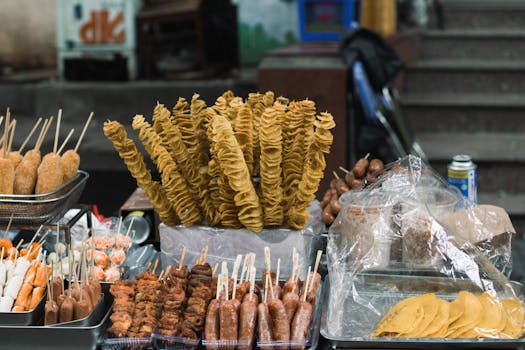
Travelers today crave authentic experiences, and few things connect you to a new place like its food. Local cuisine is a living story: it reveals a region’s history, climate, culture, and even its people’s daily routines. Yet, finding those hidden culinary gems—where locals actually eat—can be challenging, especially when you’re bombarded with tourist traps and global chain restaurants. This guide explores smart, creative, and reliable strategies to help you uncover the world’s best local food while traveling, ensuring every meal is a delicious adventure.
Why Seeking Local Food Matters for Travelers
When you travel, you’re not just moving from place to place—you’re immersing yourself in new worlds. Food is a vital part of that immersion. According to a 2023 Statista survey, 68% of global travelers consider food and dining experiences an important part of their trips, and 42% actively seek out local cuisine as a top travel priority.
But eating local isn’t only about taste. It supports small businesses and local farmers, sustains culinary traditions, and often offers more sustainable, eco-friendly choices. For example, in Thailand, food stalls and markets are a key part of the economy, supporting over 500,000 vendors nationwide. In Italy, agriturismo (farm stays) have helped revive rural regions, drawing 14 million visitors annually with farm-fresh meals.
Eating where locals eat also helps you avoid overpriced, inauthentic “tourist menus” in favor of truly memorable experiences—think steaming bowls of pho from a Hanoi street corner or handmade tortillas at a Mexican family-run taqueria.
Researching Local Cuisine Before You Go
Great food discoveries start with a little homework. Before you board your flight or hop on a train, spend some time getting to know your destination’s culinary scene:
- Search for local food blogs and YouTube channels in your target city or region. Bloggers often share hidden gems you won’t find on TripAdvisor. - Use Google Translate to read reviews on native-language platforms like Dianping (China), Tabelog (Japan), or Zomato (India). - Join relevant Facebook groups or Reddit forums (such as r/FoodTravel or r/Travel) and ask locals for their favorite spots. - Download food-focused travel apps like EatWith, which connects travelers with home-cooked meals, or Culinary Backstreets, which offers walking food tours in dozens of cities.For example, a quick scan of Lisbon’s local food blogs points you to pastelarias (pastry shops) that serve pastel de nata, while Japanese “ramen adventure” bloggers map out hidden ramen shops in Tokyo’s outer neighborhoods.
How to Spot Authentic Local Eateries On the Ground
Once you’re at your destination, the real culinary adventure begins. But how can you tell the difference between a place locals love and a tourist-focused trap? Here are some tried-and-true strategies:
- Observe the clientele: Are most of the diners locals? If you see menus in only English or staff calling out to tourists, it’s likely a tourist spot. - Consider the location: Eateries near major attractions often cater to tourists. Venture a few blocks away to find local favorites. - Look at the menu: Authentic local places have short menus focused on a few dishes, often written in the local language. - Check peak hours: If a place is packed with locals at lunch or dinner, it’s a good sign. - Ask people you meet: Hotel staff, taxi drivers, or shop owners can often point you toward their favorite lunch spots.A classic example is Rome’s Testaccio district, where you’ll find trattorias filled with Romans enjoying cacio e pepe rather than the pasta “menus” near the Colosseum. In Mexico City, locals queue for street tacos at stands like El Huequito, while tourists flock to sit-down restaurants in the historic center.
Exploring Markets, Food Halls, and Street Stalls
Some of the world’s richest culinary experiences are found outside of restaurants. Markets, food halls, and street stalls are vibrant centers of community and flavor, often offering the most authentic and affordable local dishes.
- Public markets: From Barcelona’s Mercat de Sant Josep de la Boqueria to Istanbul’s Spice Bazaar, these are sources of fresh produce, snacks, and traditional meals. - Street food: In cities like Bangkok, Penang, or Marrakech, street food is an art form. In 2022, the Bangkok Metropolitan Administration reported over 20,000 licensed street food vendors in the city. - Food halls: Modern food halls blend tradition and trend. Lisbon’s Time Out Market features over 40 local chefs and vendors, drawing both locals and visitors. To navigate these spaces: - Go early for the freshest options. - Watch what locals are eating and order the same. - Don’t be afraid to try unfamiliar dishes—vendors are often happy to explain their specialties.Here’s a comparative look at common pros and cons of different local food venues:
| Venue Type | Pros | Cons | Best For |
|---|---|---|---|
| Street Stalls | Authenticity, affordability, quick bites | Limited seating, variable hygiene | Sampling local snacks and quick meals |
| Public Markets | Wide variety, fresh ingredients, local vibe | Can be crowded, sometimes touristy | Trying regional specialties, people-watching |
| Food Halls | Modern amenities, range of local chefs | Prices may be higher, less traditional ambiance | Comfortable group dining, tasting multiple cuisines |
| Family-run Restaurants | Home-style cooking, personal touch | May not speak English, limited hours | Authentic sit-down meals, connecting with locals |
The Role of Food Tours, Cooking Classes, and Local Hosts
If you want to go deeper than just eating local food, consider joining a guided food tour, signing up for a cooking class, or dining with a local host. These experiences let you learn the stories behind the dishes and even try your hand at preparing them.
- Food tours: In cities like Hanoi, Istanbul, or Oaxaca, small-group food tours introduce you to markets, hidden eateries, and local delicacies you’d never find on your own. According to the Global Culinary Tourism Market report, food tour bookings grew by 12% annually between 2017 and 2022. - Cooking classes: From pasta-making in Florence to sushi workshops in Tokyo, hands-on classes offer insight into technique and tradition. - Local hosts: Platforms like EatWith and Traveling Spoon connect travelers with locals who invite you into their homes for a meal, offering a unique view into family recipes and customs.These experiences are also a great way to meet fellow travelers and food lovers. For example, in Morocco, a tagine-cooking class might include a market visit, spice shopping, and even a shared meal with a Berber family.
Respecting Local Food Etiquette and Dietary Needs
Part of enjoying local food is respecting culinary customs and being mindful of your own dietary requirements. Every region has its own etiquette, and learning a few basics can help you connect with hosts and avoid social faux pas.
- Know the basics: In Japan, slurping noodles is a compliment, while in Italy, asking for parmesan on seafood pasta is frowned upon. In Ethiopia, eating with your right hand is customary. - Communicate dietary needs: Learn key phrases related to allergies or dietary preferences. Apps like Google Translate or Allergy Card can help you explain restrictions. - Be adventurous but cautious: If you have food allergies, research common ingredients (for example, peanuts in Southeast Asian cuisine) and always ask about preparation.According to Food Allergy Research & Education (FARE), 32 million Americans live with food allergies, making preparation vital for safe and enjoyable travel. Many cities now offer vegan, gluten-free, or halal options—just ask or look for local guidebooks that highlight these choices.
Final Thoughts on Finding the Best Local Food While Traveling
Eating like a local is one of the most rewarding ways to experience a new destination. By researching ahead, following the locals’ lead, exploring markets and street stalls, and trying immersive experiences like food tours or cooking classes, you’ll unlock flavors and stories that guidebooks can’t deliver.
Remember, the best meals are often found off the beaten path and require a sense of curiosity and openness to new experiences. Whether you’re slurping noodles at a bustling night market in Taipei or sharing home-cooked paella with a Spanish family, these culinary adventures will become some of your most cherished travel memories.