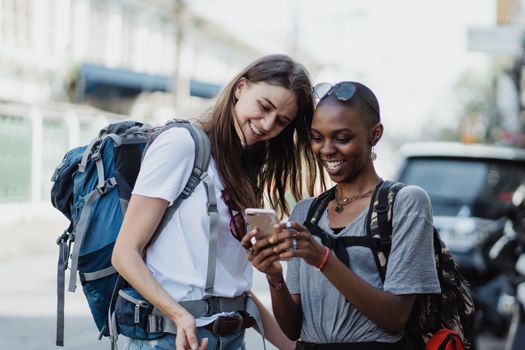
Backpacking is more than just a way of traveling; it’s a chance to immerse yourself in new cultures, test your limits, and cultivate self-reliance. For beginners, backpacking can seem daunting, especially with the sheer number of choices and potential pitfalls. However, with the right planning and mindset, anyone can embark on a memorable and rewarding backpacking adventure. This comprehensive guide will walk you through the essentials, from choosing the right gear to planning a safe and enjoyable journey.
The Essence of Backpacking: More Than Just Budget Travel
Backpacking has evolved far beyond its origins as a shoestring way to see the world. Today, it represents a spirit of adventure, flexibility, and self-discovery. While cost-saving is a perk, the real joy comes from connecting with people, exploring off-the-beaten-path destinations, and embracing simplicity.
According to a 2023 survey by Hostelworld, over 40% of backpackers cited personal growth and cultural immersion as their primary motivations, while only 27% traveled primarily to save money. Modern backpackers range from students on gap years to professionals on career breaks, and even retirees seeking meaningful experiences.
Key characteristics of backpacking include: - Traveling with only what you can carry: Typically a backpack under 50 liters. - Flexible, often spontaneous itineraries. - A focus on authentic, local experiences. - Willingness to adapt and problem-solve on the go.Understanding these core values will shape how you plan and approach your first backpacking trip.
Choosing Your Backpack: Comfort, Capacity, and Features
Your backpack is your mobile home, so investing time in choosing the right one is crucial. Here’s what beginners need to consider:
1. $1 For trips lasting 3-7 days, a 40-50 liter pack is usually sufficient. If you’re going ultralight or only for a weekend, you might get by with 30 liters. Anything larger can become cumbersome. 2. $1 Look for adjustable straps, padded hip belts, and a frame that fits your torso. A poorly fitted backpack can lead to back pain and fatigue. About 68% of beginners report back discomfort from ill-fitting packs, according to a 2022 REI study. 3. $1 - Multiple compartments for organization. - Hydration system compatibility. - Weather-resistant materials or rain cover. - Lockable zippers for security. 4. $1 The backpack itself should be lightweight (ideally under 1.5 kg empty) so you can maximize what you carry inside.Let’s compare a few popular entry-level backpacks:
| Backpack Model | Capacity (Liters) | Weight (kg) | Main Features | Average Price (USD) |
|---|---|---|---|---|
| Osprey Farpoint 40 | 40 | 1.4 | Padded hip belt, laptop sleeve, lockable zippers | 160 |
| Deuter Futura 50 | 50 | 1.7 | Aircomfort back system, rain cover, adjustable torso | 180 |
| Gregory Maven 45 | 45 | 1.5 | ErgoGrip harness, hydration sleeve, multiple access points | 190 |
Test different models in-store, load them with weight, and walk around to find the best fit for your body and trip style.
Planning Your Backpacking Route: Safety and Flexibility
Where you go can make or break your first backpacking experience. While exotic destinations are tempting, consider starting with a region known for being backpacker-friendly and safe.
1. $1 Southeast Asia, Central Europe, and South America are classic backpacking circuits with established infrastructure, affordable accommodation, and vibrant communities. 2. $1 Use resources like the Global Peace Index or government travel advisories to evaluate safety. For example, Thailand, Portugal, and New Zealand consistently rank among the safest for solo travelers. 3. $1 Over 61% of first-time backpackers encounter visa or entry issues, so double-check entry rules well in advance. Some countries require proof of onward travel or specific vaccinations. 4. $1 While it’s good to book your first night’s accommodation, leave room for spontaneity. Many backpackers find their best experiences come from last-minute changes or recommendations from fellow travelers. 5. $1 On average, beginner backpackers spend $30-$60 per day in Southeast Asia, $50-$100 in Europe, and $35-$80 in South America. Factor in flights, insurance, and an emergency fund. 6. $1 Use packing cubes, bring quick-drying clothes, and always carry a small first aid kit. A digital copy of your passport and travel documents can save you headaches.Backpacking Accommodation: Hostels, Guesthouses, and Beyond
Choosing the right accommodation can greatly influence your enjoyment, comfort, and ability to meet others.
1. $1 The heart of the backpacking experience, offering budget beds, social atmospheres, and communal kitchens. According to Hostelworld, there are over 17,000 hostels in more than 170 countries. 2. $1 Offer a more local touch, often family-run, and can provide insights into regional culture. 3. $1 In regions like Scandinavia or New Zealand, wild camping is permitted in many areas. Always research local laws and practice Leave No Trace principles. 4. $1 Platforms like Couchsurfing.com connect travelers with locals offering a free place to stay. Over 14 million members use this service worldwide, making it a great option for cultural exchange. 5. $1 - Use comparison sites like Booking.com and Hostelworld. - Read recent reviews. - Check for amenities like lockers, Wi-Fi, and breakfast.Accommodation costs vary widely. In Thailand, a hostel dorm averages $8/night, while in Western Europe it can be $30-$50/night. Always have a backup plan for fully booked destinations or unexpected closures.
Staying Healthy and Safe on the Trail
Backpacking exposes you to new environments, foods, and situations. Staying healthy and safe is a top priority, especially for beginners.
1. $1 According to the U.S. Travel Insurance Association, only 38% of backpackers purchase insurance, yet it’s vital for medical emergencies, theft, or trip cancellations. 2. $1 Check CDC or WHO recommendations for your destination. Common vaccines for backpackers include Hepatitis A/B, Typhoid, and Tetanus. 3. $1 Stick to bottled or filtered water. Carry a portable water filter or purification tablets, especially in rural areas. Eat at busy local eateries for fresher food. 4. $1 - Carry a money belt or hidden pouch for valuables. - Use locks on your backpack and hostel lockers. - Trust your instincts—if a situation feels off, leave. 5. $1 Solo travel can be lonely. Stay connected with friends and family, and don’t hesitate to reach out to hostel staff or fellow travelers if you need support. 6. $1 Learn basic first aid and save local emergency numbers on your phone. Many countries have a central emergency number (e.g., 112 in Europe).Connecting With Other Backpackers: Building Your Travel Network
One of the most rewarding aspects of backpacking is the community. Whether you’re introverted or outgoing, you’ll find opportunities to make friends and share experiences.
1. $1 The easiest place to strike up conversations, join group tours, or organize shared transport. 2. $1 Apps like Meetup, Backpackr, and Facebook groups (e.g., “Backpacking Southeast Asia”) help connect travelers with similar interests. 3. $1 Many hostels and tour operators offer affordable group excursions, cooking classes, or pub crawls. According to Hostelworld, 57% of solo backpackers said they made at least one lifelong friend on the road. 4. $1 Learn a few basic phrases in the local language, respect customs, and always ask before taking photos of people.Building relationships not only enriches your journey but can provide practical support and safety in unfamiliar places.
Final Thoughts: Embracing the Spirit of Backpacking
Your first backpacking trip is more than just a vacation—it’s an opportunity to grow, adapt, and see the world through fresh eyes. While preparation is key, don’t let fear of the unknown hold you back. Each challenge you overcome will boost your confidence and expand your horizons.
Remember, even experienced backpackers started as beginners. By focusing on comfort, safety, flexibility, and making connections, you’ll set yourself up for a successful and unforgettable adventure. Pack light, stay curious, and enjoy the journey.