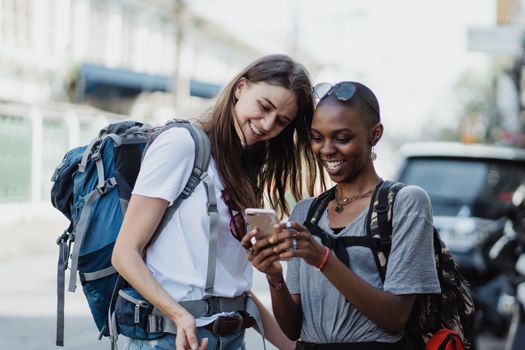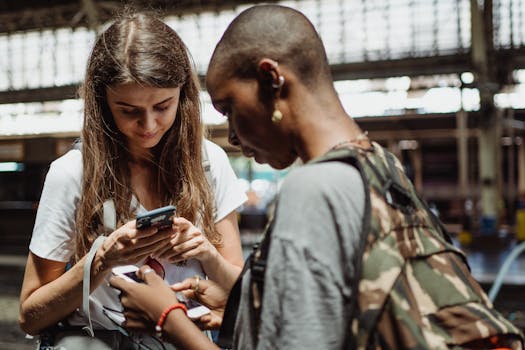
Traveling is much more than visiting new places — it’s about connecting with people, sharing stories, and forging friendships that can last a lifetime. Yet, for many travelers, the prospect of meeting new people and making friends on the road can be daunting. Whether you’re an introvert, a solo adventurer, or simply someone eager to expand your social circle, the world offers countless opportunities for genuine connections. This guide will walk you through proven strategies, modern platforms, cultural nuances, and practical tips to help you confidently meet new people and build meaningful friendships as you explore the globe.
Understanding the Value of Social Connections While Traveling
Traveling is often romanticized as a solitary quest for self-discovery, but studies consistently show that shared experiences are among the most memorable. According to a 2022 survey by Hostelworld, 61% of solo travelers cited “making new friends” as one of their top reasons for traveling alone. Human connection not only enriches your journey but can also offer practical benefits — from local tips and safety guidance to invitations to hidden gems off the tourist trail.
Social interactions while traveling can: - Enhance your understanding of local culture. - Provide emotional support and reduce feelings of loneliness. - Lead to collaborative adventures and lifelong friendships.Recognizing these benefits sets the foundation for prioritizing social connections during your travels.
Where to Meet New People: Venues and Opportunities
Not all travel environments are equally conducive to meeting new people. Certain venues and activities naturally foster interaction. Here’s a breakdown of common settings and their social potential:
| Venue/Activity | Social Potential | Ideal For |
|---|---|---|
| Hostels | Very High | Solo travelers, budget explorers |
| Group Tours | High | First-timers, language learners |
| Community Events | Moderate | Cultural enthusiasts, expats |
| Co-Working Spaces | Moderate to High | Digital nomads, remote workers |
| Local Classes/Workshops | High | Hobbyists, skill-seekers |
| Cafés and Bars | Variable | Nightlife lovers, conversationalists |
For example, hostels are renowned for their social atmosphere. Many offer communal kitchens, lounges, or organized events like pub crawls and city walks. In contrast, co-working spaces are ideal if you’re working remotely and want to meet like-minded professionals. Meanwhile, community festivals and local workshops provide an authentic window into local customs and can quickly break down social barriers.
Leveraging Technology: Apps and Platforms That Connect Travelers
In the digital age, meeting new people while traveling is easier than ever. Specialized apps and online platforms can match you with fellow travelers or locals eager to share their city. Here are some standout options:
- Meetup: With over 60 million members worldwide, Meetup connects people based on shared interests, from hiking groups in Peru to photography walks in Paris. - Couchsurfing: Beyond offering free places to stay, Couchsurfing’s “Hangouts” feature lets travelers spontaneously meet up for coffee, sightseeing, or conversation. - Bumble BFF: Originally a dating app, Bumble’s BFF mode is designed for finding friends, both local and fellow travelers. - Facebook Groups: City-specific travel and expat groups can be goldmines for organizing meetups, sharing tips, and joining events. - Travello and Backpackr: These social networks cater specifically to travelers, allowing you to post plans, seek travel buddies, and join local activities.According to App Annie, travel-focused social apps saw a 30% increase in user engagement between 2021 and 2023, highlighting their growing role in facilitating real-world connections. When using these platforms, always prioritize safety: meet in public places, inform someone of your plans, and trust your instincts.
Cultural Etiquette: Making Friends Across Borders
Building friendships abroad often means navigating cultural differences. What’s friendly in one country may be seen as overly forward in another. Understanding basic etiquette can make your approach more successful and respectful.
Some key cultural considerations include: - Personal Space: In countries like Japan or Finland, people value greater personal space, while in Latin America or Southern Europe, a hug or cheek kiss may be customary after just a few minutes of conversation. - Conversation Starters: In many cultures, asking about family or local food is a safe opening, but avoid sensitive topics like politics or religion unless you know the other person well. - Gift-Giving: In some Asian countries, small gifts are a common way to show appreciation, whereas in others, it might be unexpected or even awkward.A useful tip is to observe how locals interact and mirror their approach. According to the Harvard Business Review, travelers who demonstrate cultural curiosity and adaptability are 42% more likely to form lasting international friendships.
Strategies for Introverts and Solo Travelers
While extroverts might thrive in bustling hostels and group tours, introverts or those new to solo travel often face additional hurdles. The good news? You don’t need to be the life of the party to make meaningful connections.
Here are some practical strategies: - Opt for Smaller Groups: Instead of massive pub crawls, choose intimate tours, cooking classes, or language exchanges. - Volunteer: Shared purpose, such as volunteering at a local NGO or animal shelter, naturally fosters camaraderie in a low-pressure setting. - Use Conversation Prompts: Prepare a few open-ended questions about local recommendations, favorite foods, or hidden gems. People generally love sharing their insights. - Stay in Social Accommodations: Even if you book a private room, hostels and guesthouses often organize communal dinners or activities that make it easy to mingle. - Take Breaks: It’s okay to recharge alone. Balancing social time with solitude prevents burnout.A 2021 study by Booking.com found that 49% of solo travelers cited “meeting new people at their own pace” as essential to their travel enjoyment, underscoring the value of low-pressure social opportunities.
Turning Encounters into Friendships: Building Lasting Bonds
Meeting someone is just the first step; nurturing those connections transforms acquaintances into friends. Here’s how to make your new friendships stick:
- Follow Up: Exchange contact information (social media, WhatsApp, email) and send a message within a day or two. A simple “It was great meeting you!” goes a long way. - Share Experiences: Invite new friends to join you for a meal, a day trip, or a local event. Shared adventures cement bonds. - Be Genuine: Authenticity is magnetic. Don’t feel compelled to impress; instead, share your interests, listen actively, and show curiosity about their stories. - Stay Connected: After parting ways, keep in touch with occasional messages or postcards. Many travel friendships blossom into reunions or future travel plans together.According to a 2023 Lonely Planet survey, 57% of travelers kept in touch with people they met on the road, and 22% later hosted or visited those friends in their home countries.
Final Thoughts on Making Friends While Traveling
Travel is as much about people as it is about places. From sharing laughter over street food in Bangkok to navigating language barriers in Rome, the friendships you form on the road add depth and meaning to every journey. Embrace openness, respect cultural nuances, and remember that every friendly “hello” could be the start of a new adventure. Whether you’re an extrovert eager to join group activities or an introvert seeking quieter connections, the world is full of potential friends — all it takes is the courage to reach out.