Traveling is as much about discovery as it is about relaxation. Yet, in our quest to explore new places, it’s easy to stumble into the well-trodden paths designed more for tourists than for truly curious travelers. Tourist traps—a term every seasoned traveler knows—can drain your wallet, disappoint your palate, and leave you feeling disconnected from the real essence of a place. If you want to avoid the crowds, overpriced attractions, and staged experiences, local advice is your best compass. This guide dives deep into how to sidestep tourist traps and access more authentic, enriching experiences—insider tips included.
The True Cost of Tourist Traps: More Than Money
Many travelers believe that tourist traps are just about overpaying for a meal or a souvenir. But the impacts go far deeper. According to a 2022 study by the World Tourism Organization, 64% of global travelers feel they’ve missed out on authentic local culture due to sticking to mainstream tourist attractions. Beyond the financial cost—sometimes paying two to three times more than locals for the same goods or services—tourist traps often mean time wasted in long lines, diluted cultural experiences, and a disconnect from the local community.
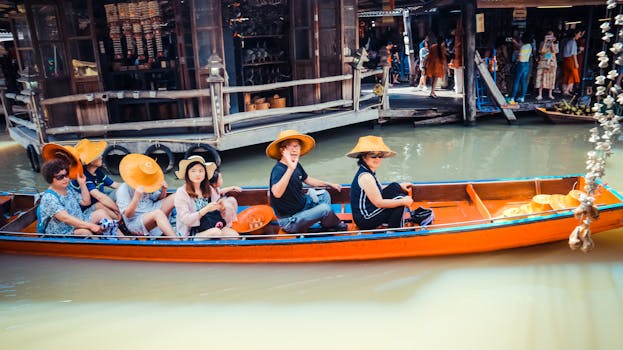
For example, in major cities like Paris, Rome, and Bangkok, “must-see” hotspots like the Champs-Élysées, the Colosseum, or the floating markets are often surrounded by souvenir shops and restaurants that cater exclusively to tourists. The food is rarely as good as what locals eat, and prices can be inflated by 50% or more. Not only do you spend more, but you also risk leaving with an experience that feels generic and forgettable.
Spotting Tourist Traps: Red Flags to Watch For
Understanding how to recognize a tourist trap is the first step to avoiding one. While every destination is different, certain warning signs are universal:
- Clusters of souvenir shops with identical merchandise - Menus available in multiple languages, often with photos - Aggressive touts or “guides” soliciting customers near famous attractions - A lack of locals dining or shopping in the area - Inflated prices compared to neighborhoods just a few blocks awayFor instance, in Barcelona’s Las Ramblas, restaurant menus are often in five or more languages, and paella costs can be double what you’d pay in a local neighborhood. In contrast, just a ten-minute walk away in El Raval, you’ll find bustling tapas bars filled with locals and prices reflecting the real city.
Leveraging Local Knowledge: The Power of Personal Connections
Nothing beats a recommendation from someone who lives in the city you’re visiting. Locals know where to find the best food, hidden sights, and real character of their home. But how do you tap into this goldmine of information?
- $1 Small guesthouses, bed-and-breakfasts, and boutique hotels often have owners or staff who love to share their favorite neighborhood spots. - $1 Platforms like Reddit, Facebook groups, and Couchsurfing’s local communities are full of residents eager to help travelers. - $1 Walking tours run by residents (not big corporate operators) can reveal stories and places guidebooks don’t cover. - $1 Instead of “Where should I eat?”, try “Where do you go with your friends for a great meal?”A 2023 survey by Booking.com found that travelers who received at least one local recommendation reported a 78% higher satisfaction rate with their trip than those who relied solely on guidebooks.
Authenticity Over Popularity: Choosing Experiences That Matter
Chasing the most “Instagrammable” spots may offer great photos but often guarantees crowds and commercialism. For a richer journey, prioritize experiences that reflect local life, even if they’re less famous.
- $1 Farmers’ markets, neighborhood festivals, and local sports matches offer a window into the region’s culture. - $1 Instead of Paris, try Lyon; swap Venice for Bologna; or in Thailand, visit Chiang Rai instead of Phuket. - $1 Cooking classes, craft lessons, or language exchanges are ways to engage with residents and learn about traditions.According to a 2021 report by the Adventure Travel Trade Association, travelers who participated in local workshops or cultural activities spent 35% more time in a destination and rated their trips 25% more memorable than those who focused only on major sights.
Comparison: Tourist Traps vs. Authentic Experiences
Here’s a quick comparison table to illustrate the differences between classic tourist traps and authentic local experiences:
| Aspect | Tourist Trap | Authentic Experience |
|---|---|---|
| Cost | High, often 50-200% above local rates | Fair, reflects local economy |
| Quality | Standardized, often mediocre | Unique, high-quality, local flavor |
| Atmosphere | Crowded, full of tourists | Relaxed, mostly locals |
| Memorability | Generic, forgettable | Personal, immersive |
| Contribution | Profits often go to large operators | Supports local families/businesses |
Practical Tips: Planning Ahead Without Falling for the Hype
Smart planning is essential to avoid falling into the tourist trap vortex. Here are actionable steps to keep your trip authentic:
1. $1 Don’t rely solely on the first page of Google or top-rated TripAdvisor listings—these are often heavily influenced by tourist crowds. 2. $1 Visiting attractions early in the morning or during the off-season reduces both crowds and prices. 3. $1 Not only is it cheaper and more eco-friendly, but you’ll see real life unfolding around you. 4. $1 Most tourist traps are concentrated in central areas. Try exploring neighborhoods 20-30 minutes away. 5. $1 Even a simple “hello” or “thank you” in the local language can open doors and earn goodwill.A 2023 study by Expedia found that travelers who explored outside city centers reported an average savings of 35% on meals and activities, and a 60% increase in positive interactions with locals.
Stories from the Road: Real Examples of Avoiding Tourist Traps
Sometimes the best way to understand the value of avoiding tourist traps is through real-life stories:
- $1 Instead of having gelato at the famous shops near the Duomo, a traveler followed a local’s advice and found a family-run gelateria in the Oltrarno district. The gelato was not only cheaper (2 euros vs. 5 euros), but also made with fresh, local ingredients. - $1 Rather than queuing for hours at a famous sushi chain in Tsukiji, a visitor joined locals at a standing sushi bar in the suburbs. The experience was intimate, the fish even fresher, and the price a fraction of what tourists paid downtown. - $1 Skipping the crowded Times Square restaurants, a traveler dined in Astoria, Queens, enjoying authentic Greek food among locals for half the price.These stories demonstrate that a bit of local advice and willingness to step off the beaten path can lead to experiences that are more memorable, delicious, and affordable.
Final Thoughts: Making Travel Meaningful by Avoiding Tourist Traps
Travel is about connection, discovery, and understanding—not just ticking boxes on a sightseeing list. By seeking local advice, questioning the obvious, and being open to new experiences, you can sidestep the pitfalls of tourist traps. The rewards are richer: genuine interactions, unique stories, and a deeper appreciation for the places you visit. Remember, the best travel tales rarely begin with “I went where everyone else did”—they start with curiosity and a willingness to explore beyond the obvious.